

Estimating Rehab Costs in the Triad & Triangle

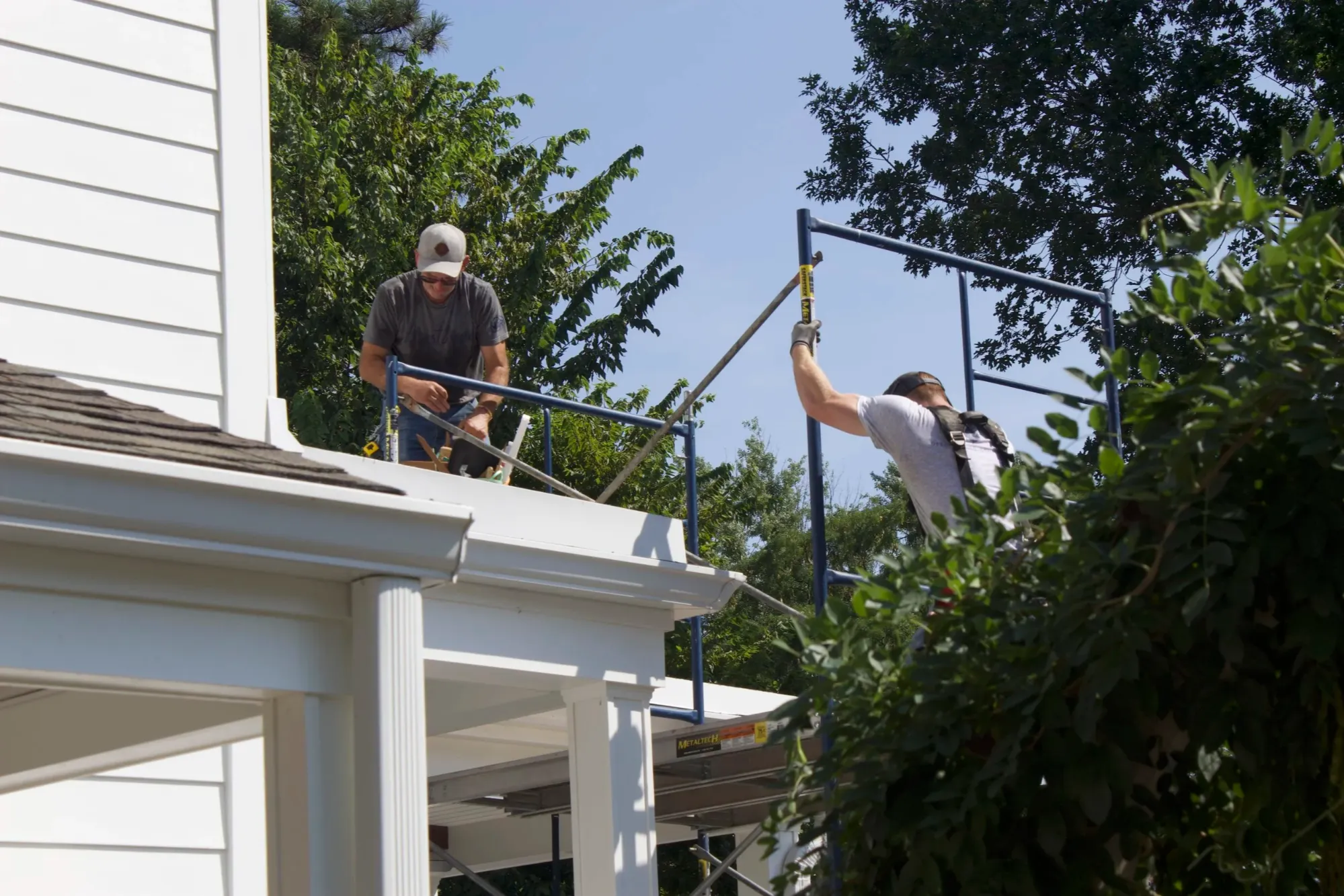
Many homes across the Triad and Triangle areas of North Carolina were built in the 1960s, 1970s, and 1980s.
When these homes have had decades of deferred maintenance, the cost to properly update them can be significant.
For homeowners considering selling and investors evaluating purchase opportunities, understanding typical renovation costs can help determine whether a property should be:
• sold as-is
• lightly updated before listing
• fully renovated for resale or rental
Below is a breakdown of the most common repairs required in homes with 40+ years of deferred maintenance and the approximate cost ranges investors typically consider when evaluating deals.
The Major Systems That Usually Need Replacement
When investors evaluate an older home, they typically look at the core systems first.
These systems determine whether a property is simply cosmetic or requires a full renovation budget.
1. Roof Replacement
Roofs are one of the most common major replacements in older homes.
In North Carolina, asphalt roof replacements typically cost around $6,000–$19,000 depending on size and materials, with average installations around $7,600.
Typical investor budget:
• Small home: $7,000 – $10,000
• Average home: $10,000 – $15,000
• Larger or complex roofs: $15,000 – $20,000+
Many roofs cost $4–$6 per square foot installed, depending on materials and complexity.
Deferred roof maintenance can also lead to water intrusion, mold, and structural damage, which dramatically increases renovation costs.
2. HVAC System Replacement
Heating and cooling systems generally last 15–20 years.
Homes with 40 years of deferred maintenance almost always need replacement.
Typical costs:
• Basic HVAC replacement: $5,000 – $10,000
• Larger systems or ductwork replacement: $10,000 – $15,000+
HVAC repairs alone can range widely depending on the issue, but full replacements frequently reach five-figure costs.
3. Electrical System Updates
Older homes frequently have outdated electrical systems including:
• fuse boxes
• aluminum wiring
• insufficient amperage
• lack of grounded outlets
Typical upgrades include:
• breaker panel upgrade
• additional outlets
• GFCI/AFCI protection
• rewiring portions of the home
Estimated costs:
• Panel replacement: $2,000 – $5,000
• Partial rewiring: $5,000 – $15,000
• Full rewiring: $15,000 – $25,000+
Electrical upgrades are not just cosmetic — they are critical safety improvements.
4. Plumbing Repairs or Replacement
Plumbing systems in older homes may include:
• galvanized pipes
• outdated supply lines
• aging water heaters
• sewer line deterioration
Typical costs:
• Water heater: $1,500 – $4,000
• Whole-house repipe: $6,000 – $15,000
• Sewer line replacement: $6,000 – $15,000+
Major plumbing failures can lead to significant structural damage and mold if ignored.
5. Foundation Repairs
Structural issues are among the most expensive problems investors encounter.
Common signs include:
• cracked walls
• uneven floors
• sticking doors
• shifting foundations
Typical repair costs:
• minor repairs: $2,000 – $8,000
• structural repairs: $10,000 – $30,000+
Foundation damage is often the largest potential rehab expense in a property.
Cosmetic Renovations Investors Typically Budget For
After major systems are addressed, investors evaluate cosmetic upgrades that improve market value.
Flooring Replacement
Older homes often have:
• worn carpet
• outdated vinyl
• damaged hardwood floors
Typical costs:
• Carpet replacement: $3,000 – $6,000
• LVP flooring installation: $6,000 – $12,000
• Hardwood refinishing: $3,000 – $7,000
Kitchen Renovations
Kitchens are one of the biggest value drivers.
Typical investor budgets:
• Light cosmetic update: $10,000 – $20,000
• Full renovation: $25,000 – $50,000+
Common updates include:
• cabinets
• countertops
• appliances
• backsplash
• lighting
Bathroom Renovations
Older bathrooms often require full modernization.
Typical costs:
• Cosmetic refresh: $5,000 – $10,000
• Full remodel: $12,000 – $25,000+
Windows and Exterior Improvements
Windows and siding are often neglected in older homes.
Typical costs:
• replacement windows: $450 – $1,400 per window installed
• siding replacement: $8,000 – $25,000+
Paint, Trim, and Interior Updates
Almost every older home requires interior updates.
Typical costs:
• interior paint: $3,000 – $7,000
• lighting upgrades: $1,500 – $5,000
• trim and doors: $2,000 – $6,000
Landscaping and Exterior Repairs
Curb appeal can dramatically affect value.
Typical costs:
• tree removal: $1,000 – $5,000
• grading and drainage: $2,000 – $8,000
• driveway repairs: $2,000 – $10,000
What Investors Typically Budget Overall
When evaluating homes with 40+ years of deferred maintenance, investors generally place properties into three categories.
Cosmetic Rehab
Paint, flooring, minor updates.
Estimated cost:
$20,000 – $40,000
Moderate Rehab
Kitchen, bathrooms, HVAC, cosmetic work.
Estimated cost:
$40,000 – $80,000
Full Rehab
Major systems + structural repairs.
Estimated cost:
$80,000 – $150,000+
For many fixer-upper homes, buyers may need to budget 10–50% of the purchase price for repairs depending on condition.
Advice for Homeowners Considering Selling
If your home has had decades of deferred maintenance, you may wonder whether it is worth renovating before selling.
In many cases, homeowners benefit from:
• selling the property as-is
• pricing the property strategically
• marketing to investors
Attempting to renovate without a clear plan can sometimes result in spending more money without increasing the sale price proportionally.
Advice for Investors
Successful investors evaluate properties based on three numbers:
1️⃣ Purchase price
2️⃣ Renovation costs
3️⃣ After-repair value (ARV)
Understanding realistic rehab costs is critical when determining whether a deal will produce a profit.
Final Thoughts
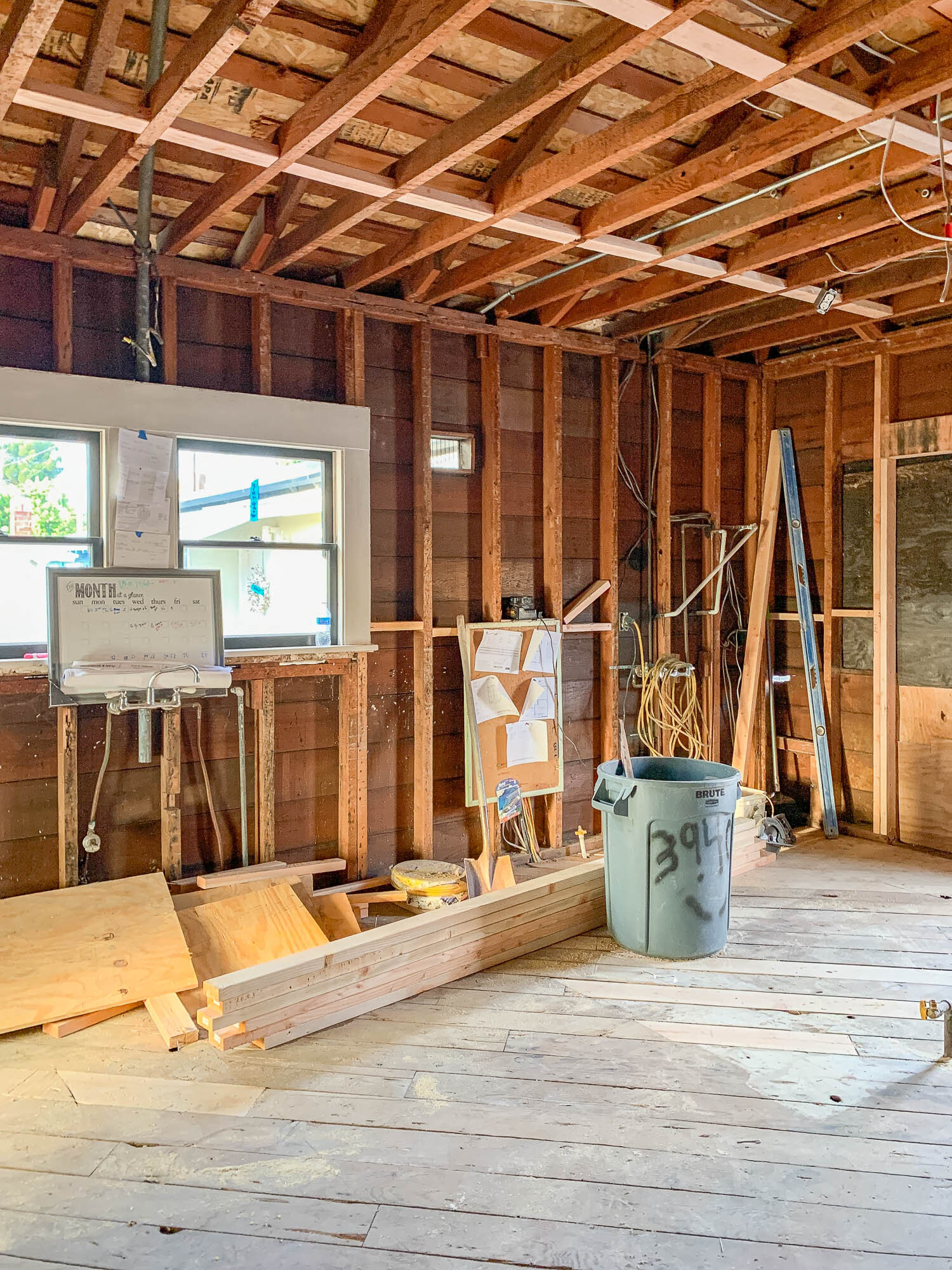
Homes with decades of deferred maintenance are common throughout the Triad and Triangle.
While these properties can require significant investment, they also create opportunities for:
• homeowners selling as-is
• investors renovating properties
• buyers looking for affordable homes with potential
Understanding the true cost of renovations helps both buyers and sellers make informed decisions in today’s market.
📲 Call or text (336) 567-5843
Brokered by Real Broker, LLC — NCREL #312309
Jessica J. Baldovinos | @JessicaJBRealtor
Book a consultation:
https://calendly.com/jessicajbrealtor
Categories
- All Blogs (674)
- "Did You Know?" (11)
- Best Places to Live (1)
- Buying/Selling Raw Land (48)
- Distressed/Foreclosure Education (61)
- Divorce in NC? Own Real Estate? You Should Know... (57)
- First Time Home Buyer Education (85)
- For Aspiring Agents (20)
- For NC Wholesalers (33)
- For Real Estate Agents (55)
- FSBO Tips (91)
- Holiday Moves (6)
- Homebuyer Tips (113)
- Homeowner Tips (115)
- Homesteaders (10)
- Keeping it Real (24)
- Market Forecast (22)
- Market Updates and Trends (109)
- Moving to North Carolina (5)
- My Story (3)
- NC Luxury Market Data (45)
- NC Probate (3)
- New Construction Homes (33)
- Psychology of Real Estate (6)
- Real Estate Investor Education (139)
- Sociology and Real Estate (5)
- STOP Renting! START Owning! (65)
- Win PRIZES! (1)
Recent Posts









GET MORE INFORMATION

REALTOR® NCREA CREIPS License ID: 312309