

Should Realtors Climb Into Attics or Crawl Into Crawlspaces?

Buying or selling a home involves evaluating many different components of a property — from the roof and attic to the crawlspace and foundation.
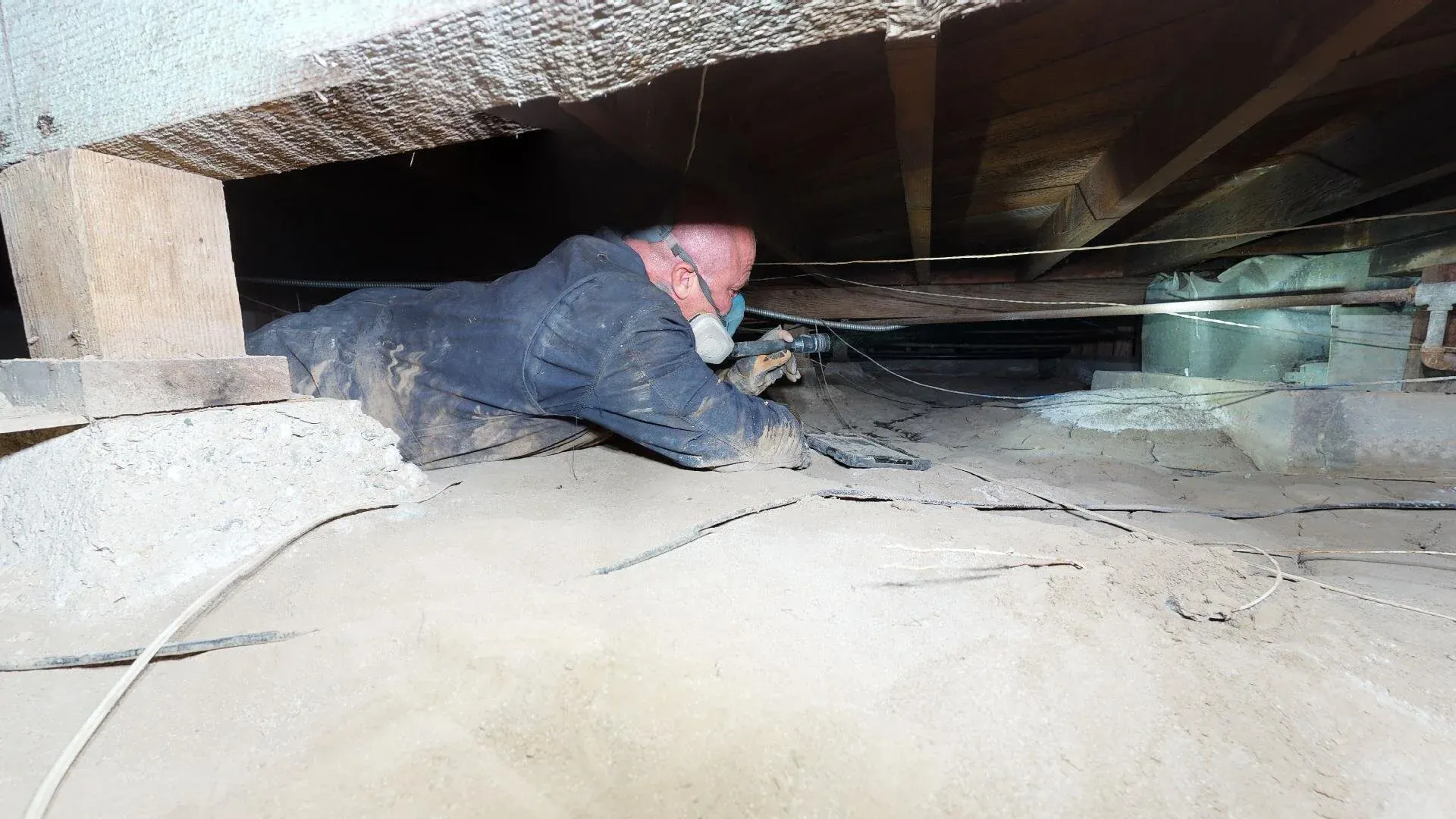
A question that sometimes comes up is whether a real estate agent should personally crawl into crawl spaces, basements, or attics to inspect the home's condition before listing it or before a buyer submits an offer.
The short answer is: real estate agents are not home inspectors, and they should not be expected to perform the role of one.
Understanding the difference between real estate guidance and professional inspections is important for buyers, sellers, and investors.
What Real Estate Agents Are Responsible For
Real estate agents are licensed professionals whose role is to help clients navigate the transaction process, negotiate contracts, analyze the market, and guide clients through due diligence.
Their responsibilities typically include:
• helping sellers prepare homes for market
• advising buyers on offer strategy
• identifying potential red flags that warrant further evaluation
• recommending professional inspectors and specialists
• managing the transaction timeline and paperwork
While experienced agents often notice potential issues during showings, they are not licensed contractors, engineers, or inspectors.
They do not perform formal property inspections.
Are Agents Required to Inspect Crawlspaces or Attics?
In most cases, the answer is no.
Agents are not required to crawl into tight spaces, climb through attics, or perform invasive inspections of a property.
These spaces can present hazards including:
• mold exposure
• structural risks
• electrical hazards
• pests or wildlife
• poor air quality
Because of these risks, professional inspectors carry specialized training and insurance that allows them to safely evaluate these areas.
What Happens During the Due Diligence Period
In North Carolina, the due diligence period is when buyers conduct professional inspections and evaluate the property in detail before finalizing their purchase.
During this time, buyers typically hire licensed professionals such as:
• home inspectors
• structural engineers
• pest and termite inspectors
• HVAC specialists
• electricians or plumbers (if needed)
These professionals are trained to enter crawlspaces, attics, basements, and other areas of the property to evaluate structural systems and potential issues.
Their findings are documented in formal inspection reports.
Should Agents Look for Red Flags?
While agents are not inspectors, experienced agents often develop a strong awareness of common warning signs that may require further evaluation.
Examples of potential red flags include:
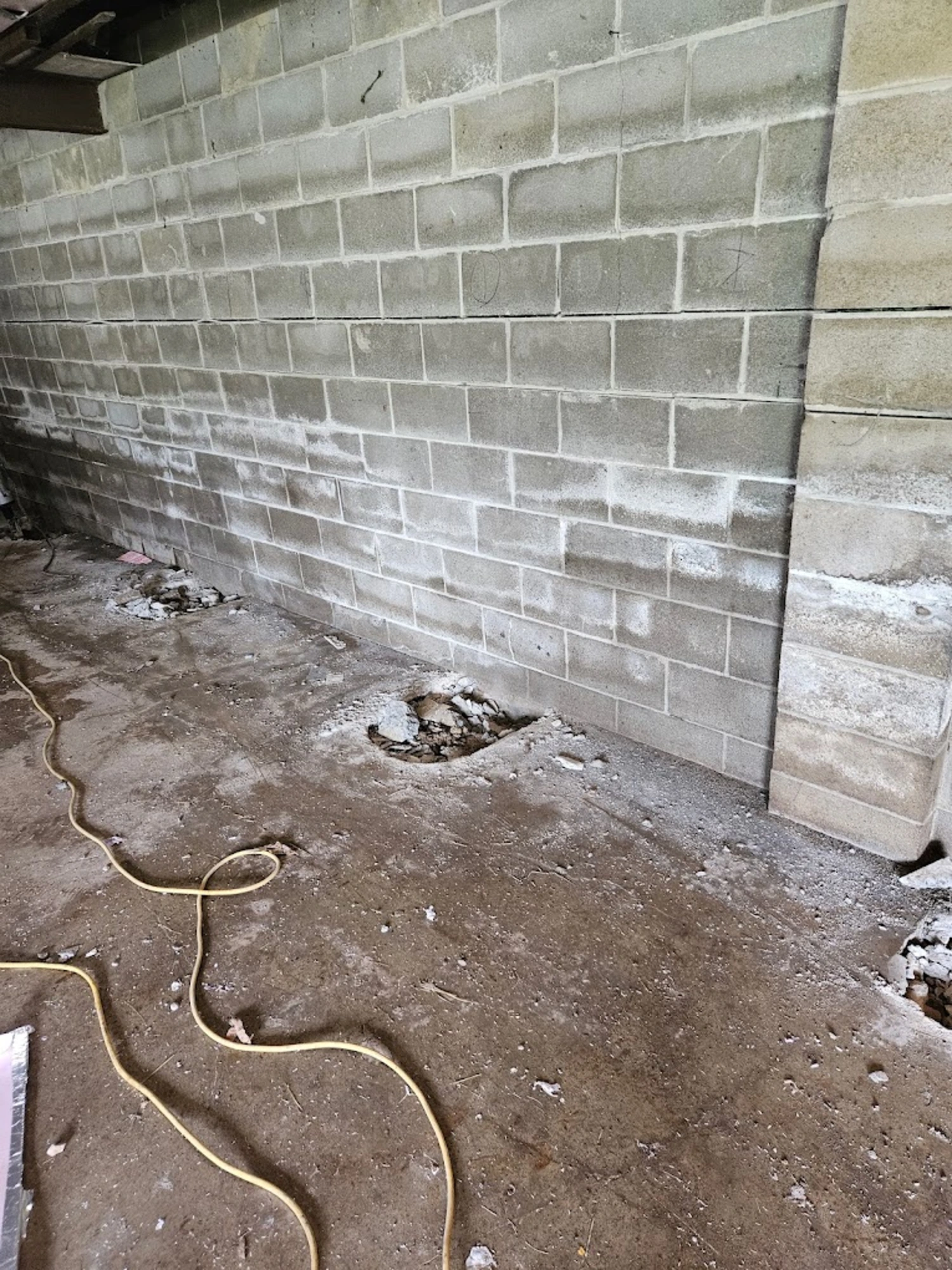
• moisture smells in crawlspaces or basements
• sagging floors
• foundation cracks
• roof damage
• outdated electrical panels
• signs of water intrusion
When these types of concerns are noticed, the appropriate next step is recommending a professional evaluation.
What Sellers Should Consider Before Listing
For homeowners preparing to sell, it can sometimes be helpful to conduct pre-listing inspections.
This allows sellers to:
• identify issues before the property hits the market
• avoid surprises during the buyer’s due diligence period
• make repairs in advance if necessary
Some sellers also choose to provide inspection reports to potential buyers as part of the listing package.
What Buyers and Investors Should Understand
Buyers and investors should avoid relying solely on what they see during a showing.
Many significant issues in homes are located in areas that are not visible during a typical walkthrough, including:
• crawlspaces
• attic insulation areas
• structural framing
• plumbing systems
• foundation components
Professional inspections during due diligence are designed specifically to uncover these hidden conditions.
Why Professional Inspections Matter
Home inspectors are trained to evaluate hundreds of components in a property, including:
• structural systems
• electrical systems
• plumbing systems
• heating and cooling systems
• roofing materials
• insulation and ventilation
Their job is to provide an objective report that helps buyers and sellers understand the property’s condition.
This information allows buyers to decide whether to proceed with the purchase, negotiate repairs, or reconsider the investment.

The Bottom Line
Real estate agents play a critical role in guiding clients through the buying and selling process.
However, agents are not inspectors, and they should not be expected to perform professional inspections of crawlspaces, attics, or structural systems.
Instead, the best approach is a team effort involving licensed professionals who specialize in evaluating different aspects of the property.
This protects everyone involved in the transaction and ensures that buyers, sellers, and investors have the information they need to make informed decisions.
📲 Call or text (336) 567-5843
Brokered by Real Broker, LLC — NCREL #312309
Jessica J. Baldovinos | @JessicaJBRealtor
Book a consultation:
https://calendly.com/jessicajbrealtor
Categories
- All Blogs (674)
- "Did You Know?" (11)
- Best Places to Live (1)
- Buying/Selling Raw Land (48)
- Distressed/Foreclosure Education (61)
- Divorce in NC? Own Real Estate? You Should Know... (57)
- First Time Home Buyer Education (85)
- For Aspiring Agents (20)
- For NC Wholesalers (33)
- For Real Estate Agents (55)
- FSBO Tips (91)
- Holiday Moves (6)
- Homebuyer Tips (113)
- Homeowner Tips (115)
- Homesteaders (10)
- Keeping it Real (24)
- Market Forecast (22)
- Market Updates and Trends (109)
- Moving to North Carolina (5)
- My Story (3)
- NC Luxury Market Data (45)
- NC Probate (3)
- New Construction Homes (33)
- Psychology of Real Estate (6)
- Real Estate Investor Education (139)
- Sociology and Real Estate (5)
- STOP Renting! START Owning! (65)
- Win PRIZES! (1)
Recent Posts









GET MORE INFORMATION

REALTOR® NCREA CREIPS License ID: 312309