

Buying or Selling Riverfront Land in North Carolina
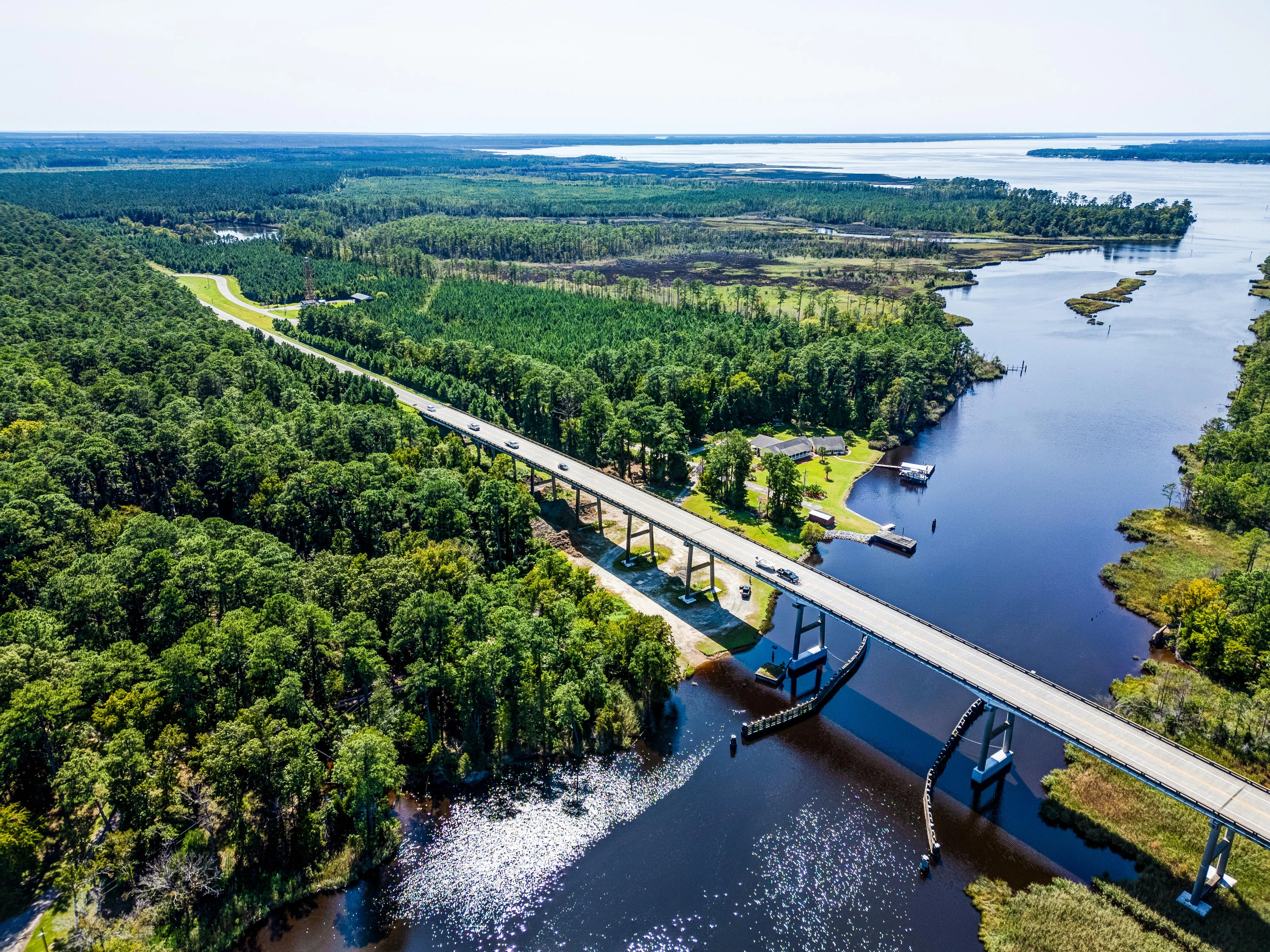
Riverfront property in North Carolina offers something many buyers dream about: privacy, natural beauty, recreation, and long-term investment potential.
But purchasing vacant land with river frontage is very different from buying a home in a neighborhood.
There are unique legal, environmental, and development factors that buyers and sellers need to understand before making a decision.
Whether you are looking for a personal retreat, development opportunity, short-term rental investment, or recreational property, understanding these factors can help you avoid costly mistakes and maximize the value of riverfront land.
Why Riverfront Land Is in High Demand
Riverfront properties are highly desirable because they offer:
• direct access to recreation (kayaking, fishing, tubing, swimming)
• privacy and scenic views
• strong demand for vacation rentals
• limited supply of true waterfront land
Because of these factors, riverfront land often holds long-term value and may appreciate faster than comparable inland parcels when properly developed.
Understanding Riparian Rights in North Carolina
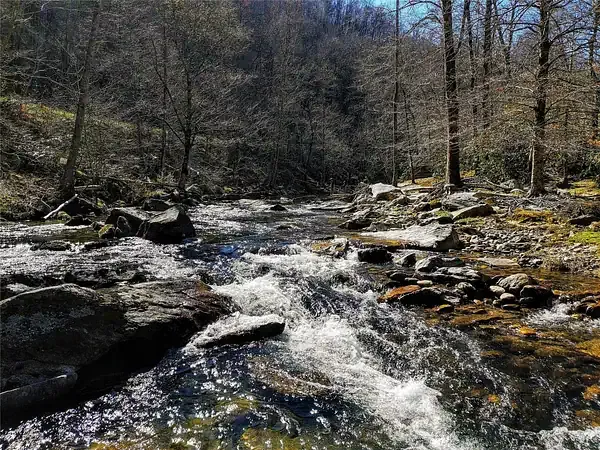
North Carolina follows the riparian doctrine, which means property owners whose land borders a river or stream have the right to make “reasonable use” of that water.
This typically includes activities such as:
• fishing
• swimming
• launching small watercraft
• installing certain improvements like docks (where permitted)
However, property owners do not own the water itself, and their rights cannot interfere with other users of the river.
In some areas, additional state or federal permits may be required before altering the shoreline or building structures along the water.
Flood Zones and Insurance Considerations
One of the most important steps when evaluating riverfront land is determining whether the property lies in a floodplain.
Many riverfront parcels fall within FEMA flood hazard areas. Communities use FEMA flood maps and enforce floodplain regulations to reduce flood risk and protect public safety.
For buyers, this can affect:
• whether flood insurance is required
• where structures can be built
• elevation requirements for buildings
• construction costs
Even if the land is outside a required flood zone, buyers often still choose to carry flood insurance for protection.
Septic, Water, and Utility Access
Many riverfront properties are located in rural areas, which means infrastructure may not be immediately available.
Before purchasing vacant land, buyers should verify:
Septic feasibility
A soil evaluation or perc test may be required to determine whether the land can support a septic system.
Well access
If municipal water is not available, a private well may be necessary.
Power and internet
Some remote parcels require running power lines or using alternative solutions like solar.
Waterfront property transactions often involve more complex inspections and permitting requirements than traditional homes.
Zoning and Land Use Restrictions
Every county and municipality in North Carolina has its own zoning regulations.
These regulations may control:
• minimum home sizes
• setbacks from rivers and streams
• whether short-term rentals are allowed
• whether accessory dwellings or multiple units can be built
In environmentally sensitive areas, additional permitting may be required before development can begin.
For example, coastal properties may be subject to environmental regulations designed to protect shoreline ecosystems and prevent erosion.
Tiny Homes on Riverfront Land
Many buyers today are interested in building tiny homes or minimalist cabins on riverfront property.
North Carolina generally allows tiny homes as permanent residences when they comply with the state residential building code and local zoning laws.
Most jurisdictions require:
• at least one habitable room of around 70 square feet
• permanent foundations for full-time residences
• compliance with the North Carolina Residential Building Code
However, tiny homes on wheels are usually classified as recreational vehicles and often cannot be used as permanent residences.
Always verify local zoning rules before purchasing land specifically for a tiny home project.
Airbnb and Short-Term Rental Opportunities
Riverfront properties can be excellent opportunities for short-term rental investments.
Vacation rentals near rivers, lakes, and mountain streams are extremely popular in North Carolina, especially in areas known for:
• tubing and kayaking
• hiking and outdoor recreation
• mountain tourism
However, investors should understand that many municipalities now regulate short-term rentals.
Local governments across North Carolina are increasingly enforcing rules regarding zoning, permits, occupancy taxes, and licensing for Airbnb properties.
Failure to comply with these regulations can lead to:
• fines
• revoked rental permits
• tax penalties
This is why it is essential to confirm short-term rental regulations before purchasing investment land.
Why Investors Are Looking at Riverfront Land
Vacant land with river frontage is attracting increasing interest from investors because it offers several potential strategies:
Short-Term Rental Cabins
Small cabins or tiny homes along scenic rivers can generate strong vacation rental income.
Land Banking
Investors sometimes purchase undeveloped waterfront land and hold it long-term as surrounding areas grow.
Outdoor Recreation Properties
Some buyers purchase riverfront land purely for recreation, including camping, fishing, and family retreats.
Subdivision Potential
Larger parcels may have the ability to be divided into multiple riverfront lots depending on local zoning.
Each strategy requires careful analysis of zoning, access, utilities, and environmental regulations.
Advice for Buyers
If you are considering purchasing riverfront land, here are some important steps:
• verify floodplain maps
• confirm septic feasibility
• review zoning and land use restrictions
• verify legal access to the property
• confirm utilities and infrastructure availability
• research short-term rental regulations if investing
Riverfront property can be an incredible opportunity — but proper due diligence is essential.
Advice for Sellers
If you own riverfront land and are considering selling, several factors can significantly impact value:
• documented river frontage
• accessibility and road frontage
• soil testing or septic approvals
• utility availability
• development potential
Providing clear information about these items can make your property more attractive to buyers and investors.
 Final Thoughts
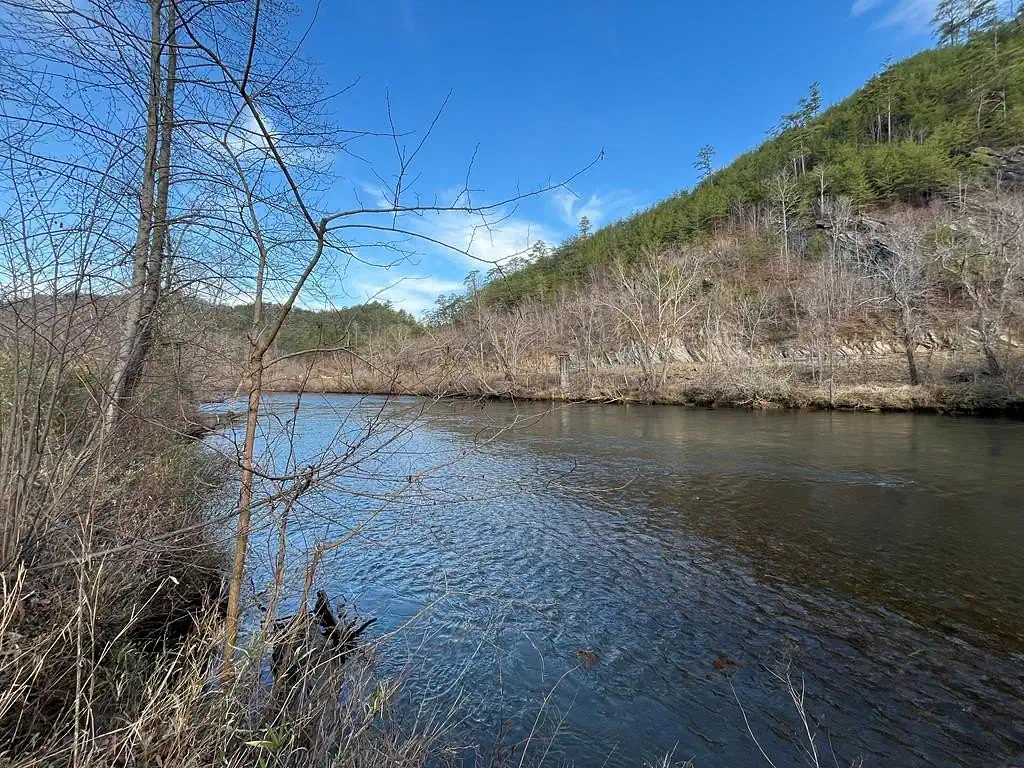
Riverfront land in North Carolina offers a unique combination of lifestyle and investment potential.
From peaceful retreats and family cabins to vacation rentals and long-term investment opportunities, these properties can provide both personal enjoyment and financial upside.
However, riverfront land also comes with unique considerations — including flood zones, zoning regulations, utilities, and environmental protections.
Working with a knowledgeable real estate professional who understands these details can make the difference between a successful investment and an expensive mistake.
📲 Call or text (336) 567-5843
Brokered by Real Broker, LLC — NCREL #312309
Jessica J. Baldovinos | @JessicaJBRealtor
Book a consultation:
https://calendly.com/jessicajbrealtor
Categories
- All Blogs (676)
- "Did You Know?" (12)
- Best Places to Live (2)
- Buying/Selling Raw Land (48)
- Distressed/Foreclosure Education (61)
- Divorce in NC? Own Real Estate? You Should Know... (57)
- First Time Home Buyer Education (87)
- For Aspiring Agents (20)
- For NC Wholesalers (33)
- For Real Estate Agents (55)
- FSBO Tips (92)
- Holiday Moves (6)
- Homebuyer Tips (114)
- Homeowner Tips (116)
- Homesteaders (10)
- Keeping it Real (24)
- Market Forecast (22)
- Market Updates and Trends (109)
- Moving to North Carolina (7)
- My Story (3)
- NC Luxury Market Data (45)
- NC Probate (3)
- New Construction Homes (33)
- Psychology of Real Estate (6)
- Real Estate Investor Education (139)
- Sociology and Real Estate (5)
- STOP Renting! START Owning! (66)
- Win PRIZES! (1)
Recent Posts










GET MORE INFORMATION

REALTOR® NCREA CREIPS License ID: 312309