

How to Get Started in Real Estate Investing: A Beginner’s Guide
Real estate investing is one of the most proven paths to building wealth and financial security. But for many beginners, the industry can feel overwhelming with its jargon, financing options, and different strategies. The good news? You don’t need to be a millionaire to get started — you just need the right roadmap.
1. Learn the Basics
Before you dive in, invest time in understanding the fundamentals:
-
Cash Flow – The money left over after rent covers expenses like mortgage, taxes, and insurance.
-
ARV (After Repair Value) – What a property will be worth after renovations, crucial for fix-and-flip deals.
-
ROI (Return on Investment) – A measure of how profitable your investment is.
📖 Resources like BiggerPockets, Investopedia, and local real estate blogs are great starting points.
2. Choose Your First Strategy
Not all real estate investments look the same. Here are beginner-friendly strategies:
-
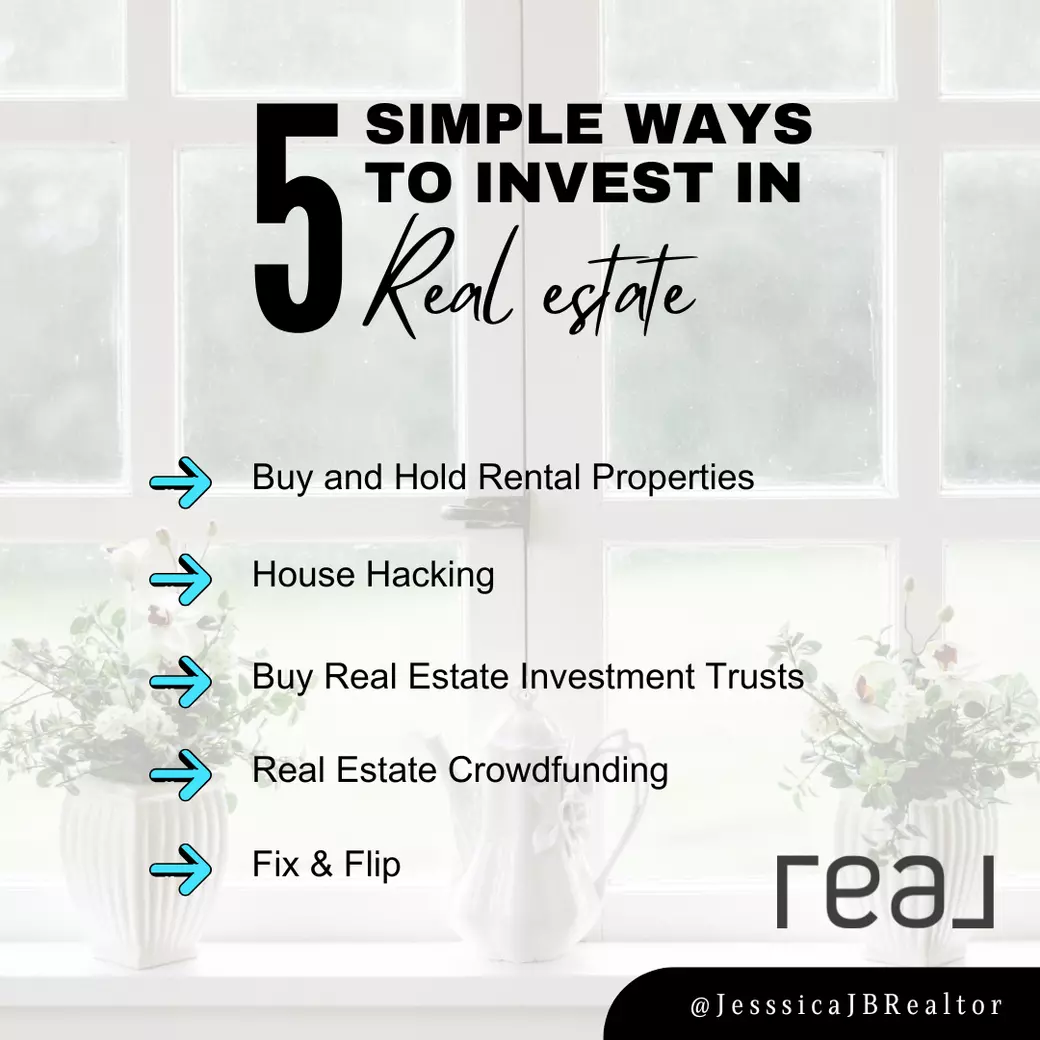
House Hacking – Buy a duplex, triplex, or single-family home, live in one unit (or room), and rent the others to cover your mortgage.
-
Buy-and-Hold – Purchase a property and rent it long-term, building equity while collecting monthly income.
-
Fix-and-Flip – Buy undervalued homes, renovate, and sell for profit.
-
Short-Term Rentals – Airbnb or vacation rentals in high-demand markets.
Start with one that aligns with your comfort level, budget, and lifestyle goals.
3. Secure Financing
Financing is often the biggest hurdle for new investors, but you have options:
-
Conventional Mortgage – Best for long-term rentals.
-
FHA or VA Loans – Lower down payments; great for house hacking.
-
HELOC (Home Equity Line of Credit) – Tap into equity from your primary residence.
-
Hard/Private Money Loans – Faster funding for flips, though with higher interest rates.
💡 Pro Tip: Meet with a lender early to learn what you qualify for before shopping for properties.
4. Build Your Real Estate Team
Successful investors rarely go it alone. Start forming relationships with:
-
A REALTOR® (who understands investment properties and numbers)
-
A contractor (for rehab estimates and projects)
-
A lender or mortgage broker (to explore financing options)
-
An accountant (to set up tax strategies and LLCs if needed)
Real estate is a team sport — the stronger your network, the better your results.
5. Start Small and Scale
You don’t need to jump straight into multi-million-dollar investments. Many successful investors started with a single-family home or a small multi-unit property. The key is consistency: buy smart, learn from each deal, and scale up over time.
Final Thoughts
Getting started in real estate investing doesn’t have to be intimidating. With the right education, strategy, financing, and team, you can build a portfolio that generates income and long-term wealth.
✨ Whether you want to flip homes, build rental income, or simply dip your toes in with house hacking, there’s a starting point for you.
If you’re ready to explore investment opportunities in North Carolina, I’d love to help guide you through your first deal. Book a consultation with me here.

Categories
- All Blogs (674)
- "Did You Know?" (11)
- Best Places to Live (1)
- Buying/Selling Raw Land (48)
- Distressed/Foreclosure Education (61)
- Divorce in NC? Own Real Estate? You Should Know... (57)
- First Time Home Buyer Education (85)
- For Aspiring Agents (20)
- For NC Wholesalers (33)
- For Real Estate Agents (55)
- FSBO Tips (91)
- Holiday Moves (6)
- Homebuyer Tips (113)
- Homeowner Tips (115)
- Homesteaders (10)
- Keeping it Real (24)
- Market Forecast (22)
- Market Updates and Trends (109)
- Moving to North Carolina (5)
- My Story (3)
- NC Luxury Market Data (45)
- NC Probate (3)
- New Construction Homes (33)
- Psychology of Real Estate (6)
- Real Estate Investor Education (139)
- Sociology and Real Estate (5)
- STOP Renting! START Owning! (65)
- Win PRIZES! (1)
Recent Posts










GET MORE INFORMATION

REALTOR® NCREA CREIPS License ID: 312309